

MeshOS module
Paperless quality and audit logbooks: always ready for the audit
Somewhere in your factory there is a binder that decides how your next audit goes. Temperature lists, cleaning checks, CCP records: filled in by hand, filed in a cabinet, checked days later, if at all. Paperless quality logbooks in MeshOS take a different route. Values your machines already measure log themselves, checks that need human eyes take seconds on a screen at the line, and every record lands time-stamped, signed and linked to machine and batch. When the auditor asks, the proof is an export, not a week of collecting.
The work was done. The proof is what's missing.
That is the uncomfortable pattern in audit data. In FSNS's analysis of BRC audit results, document control and record keeping both rank in the top 10 non-conformities, and the average audit produces nearly five findings. Rarely because the cleaning didn't happen or the temperature was wrong: because the record of it is incomplete, late or unreadable.
LRQA draws the same lesson from more than 72,000 BRCGS audits: most non-conformities stem not from system failure but from inconsistency in routine human checks. Which is exactly the routine a paper form depends on.
Paperless logbooks
A logbook that fills itself wherever it can
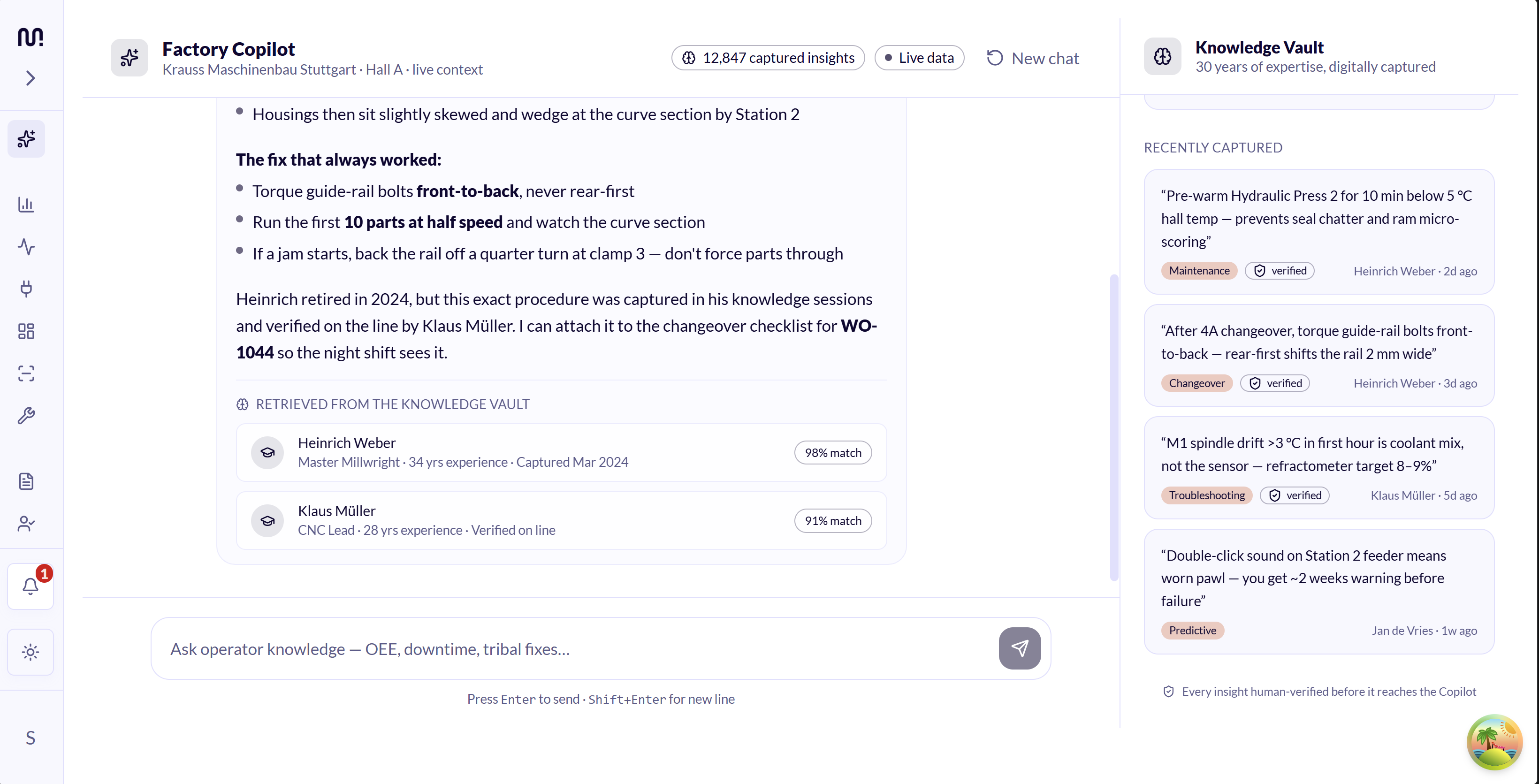
The core of the MeshOS approach: stop writing down what your machines already measure. The logbook connects to the same live machine data the rest of MeshOS runs on, and people only record what genuinely needs human eyes.
The result is a record that holds up on the points auditors actually test: attributable, legible, recorded at the time, original and accurate.
Why digitizing the form is not the same as going paperless
Plenty of tools turn a paper checklist into a digital one. That solves the handwriting, and little else. The failure patterns we see when factories try a forms app first:
Paperless only sticks when the system removes work instead of relocating it. That is why the logbook has to be connected to the machines, and why it lives in MeshOS rather than in a separate app.
- A digital form still relies on someone remembering to fill it in.
- Retyping a machine display into an app is the same transcription error, now on glass.
- The app doesn't know your machines: no link to batch, order, alarm or line.
- Photos of paper forms in a shared drive are neither searchable nor provable.
- The moment checking becomes slower than paper, the floor quietly goes back to paper.
Audit day with a paperless logbook
Every record exists for one moment: someone across the table saying 'show me'. With the logbooks in MeshOS, 'show me' looks like this:
That last point is the real shift: audit-ready stops being a sprint in the week before the visit and becomes the normal state of your records.
- Any period, line or CCP pulled up in seconds, filtered and complete.
- Every value traceable to its source: sensor, machine, operator, batch.
- Deviations shown with their corrective action attached, closed and signed.
- Calibration and maintenance evidence linked to the exact instrument the auditor points at.
- An export, PDF or data, handed over on the spot: for BRCGS, IFS, ISO or a customer audit.
- The same view your QA team uses every day: nothing staged for the occasion.
Use cases
The logbooks that go paperless first
Every audited factory keeps roughly the same stack of binders. These are the ones we digitize most, and what changes for each:
Which binder goes first is a practical choice: usually the one with the most checks per day, or the one behind the last audit finding.
What it's really about: the audit stops being a project
Paperless is not the goal, it is the means. The goal is a quality system that runs on evidence instead of effort.
That is the yardstick for going paperless: not fewer sheets of paper, but a quality file that is complete every day and finally usable for improvement.
For every role
One system of record, for every role
The same logbooks, a different burden lifted per role.
Honest about paperless: what it takes to make it stick
We have seen paperless projects fail, and it was rarely the software. Three things decide whether the binder actually retires:
And one habit has to change: deviations become visible immediately, to everyone with access. That transparency is the point, but it takes leadership that treats a flagged deviation as a fix, not a failure.
From binder to logbook, one line at a time
No big-bang document project: we digitize where it hurts most and grow on proof.
Step 1: pick the binder
Together we choose one line or department and its most-hated forms: usually the daily checks with the most entries, or the last audit finding.
Step 2: rebuild and connect
We rebuild the forms digitally, keeping what works, and connect the machine values so those fields fill themselves from day one.
Step 3: run it on the line
Operators work with it for real; a short overlap with paper proves nothing gets lost. Checks that feel slower than paper get fixed, not excused.
Step 4: retire the binder
The paper stops, the next binders follow, and the coming audit runs on exports instead of trolleys full of folders.
Proof in practice
Records that write themselves, in the field
Three projects where the evidence became a by-product of production.
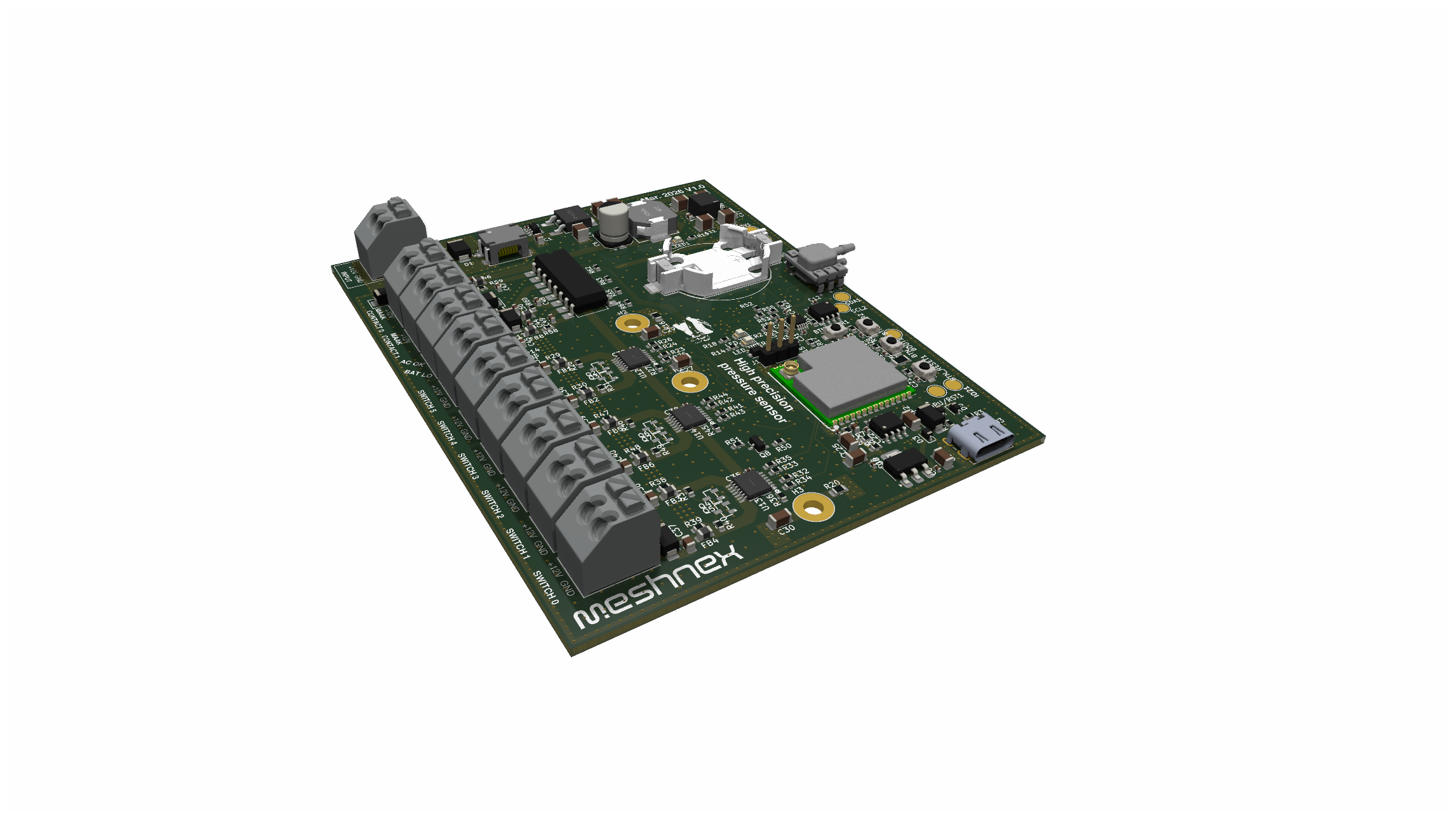 Pressure monitoring and control
 Pressure monitored and logged
A custom monitoring device that measures and logs pressure continuously. Deviations trigger an alert before they become a problem with a complete measurement history for analysis and reporting.
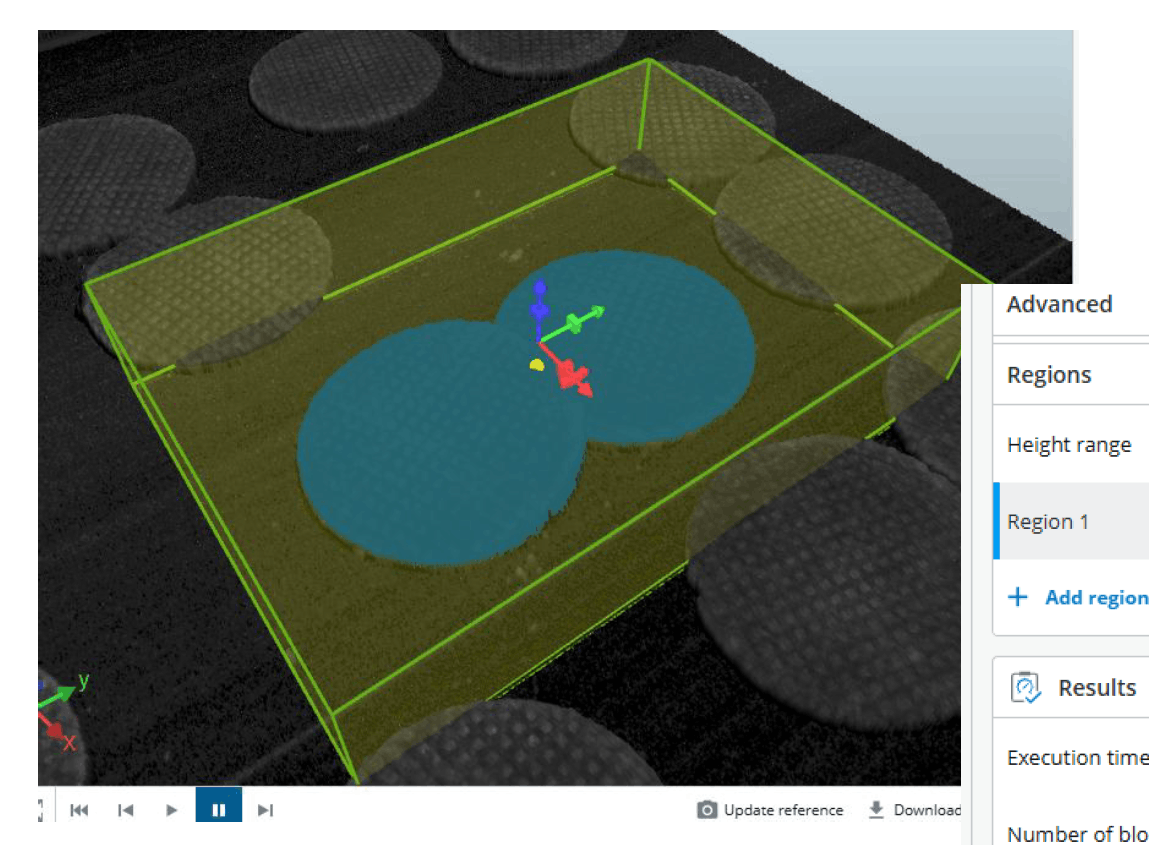 Inline quality inspection
 Every stroopwafel measured by a 3D laser camera
A 3D laser camera measures every stroopwafel on the line: diameter, thickness and shape. Deviations show up while the batch is still running, not at the sample check afterwards. All quality data logged per line and per batch.
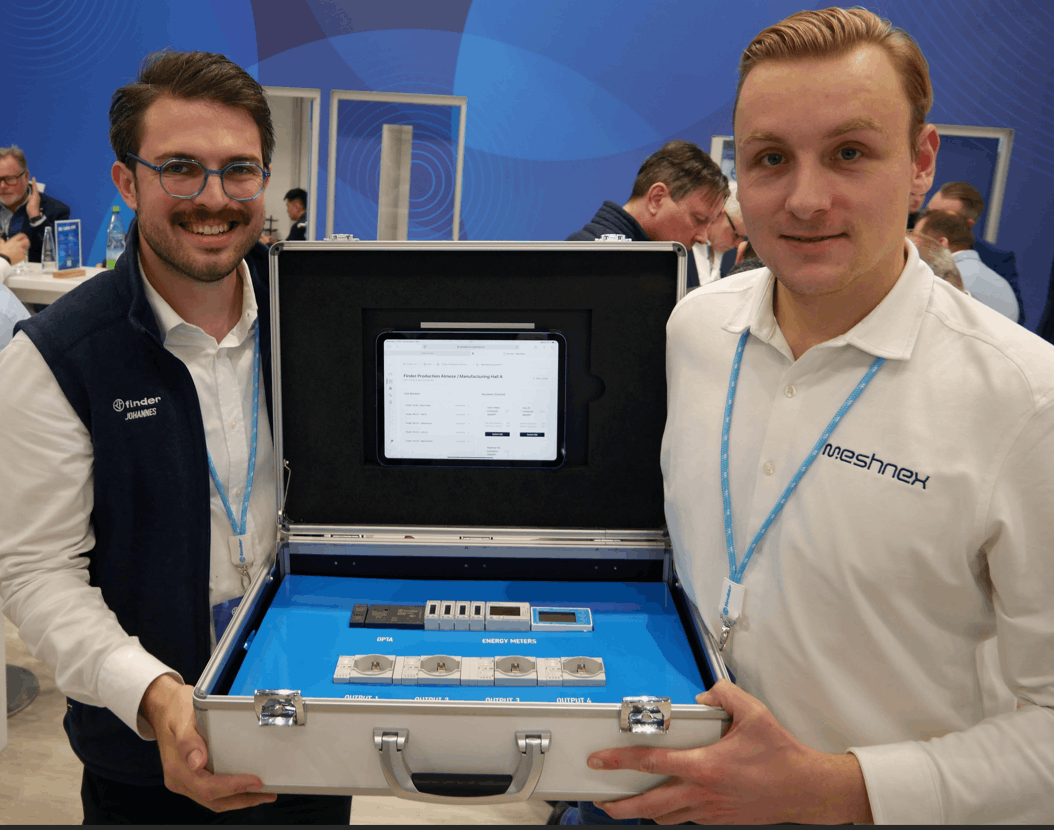 Energy monitoring
 Energy data that writes its own audit report
Sub-metering on the main consumers, one dashboard with kWh per line and per batch, and audit-ready ISO 50001 and CSRD reports generated from live data instead of a yearly spreadsheet scramble. The auditor's letter stopped being a fire drill.
Frequently asked questions about paperless quality logbooks
What are paperless quality logbooks?
Paperless quality logbooks are digital records of quality and compliance checks: HACCP and CCP monitoring, cleaning lists, calibration logs, batch records. Instead of forms in binders, entries are made on screens at the line or logged automatically from machine data, time-stamped and linked to machine, order and batch.
Do auditors and inspectors accept digital records?
Yes. BRCGS, IFS, FSSC 22000 and ISO auditors work with digital records daily, and inspection bodies like the NVWA accept them as full evidence. The condition is not paper versus digital: it is that records are attributable, complete and retrievable on request. A good digital system meets that more reliably than a binder.
Which records can fill themselves automatically?
Everything a sensor or machine already measures: temperatures, pressures, weights, speeds, energy, counts. MeshOS reads those values from your PLCs and writes them straight into the record. Checks that need human judgment, visual inspections for instance, stay human: they just take seconds instead of a form.
How does this work for HACCP and CCP records specifically?
CCP monitoring is where automatic logging pays off most: continuous measurement instead of two samples per shift, immediate escalation when a value drifts, and a record without gaps. Missed manual checks escalate the same shift. One caveat: your HACCP plan defines the checks. We digitize the plan you have; we don't replace your food safety team.
Can entries be backdated or filled in ahead of time?
No. Every entry gets its timestamp from the system at the moment of recording, and forms cannot be completed before their scheduled window. Corrections remain possible, but they are stored as corrections with the original visible. Auditors summarize these demands as ALCOA: attributable, legible, contemporaneous, original, accurate. The system is built around them.
What happens when the network or a tablet fails?
The check still happens. Terminals buffer locally and sync when the connection returns, and in a hybrid or self-hosted setup the data does not depend on an internet link in the first place. For a full outage, a paper fallback procedure with later entry, marked as such, keeps you covered and honest.
Do we need to replace our QMS or ERP?
No. The logbooks replace binders and loose Excel files, not your quality manual or your ERP. Document management and procedures stay where they are; MeshOS supplies the records and can export or connect wherever your other systems need them.
How long does implementation take?
Around 4 weeks for the first line: rebuilding the forms, connecting machine values and going live with the operators. After that, each next binder goes faster, because the foundation is in place.
What changes for our operators day to day?
Fewer forms and less double work. A check is a few taps on the screen at the line, values they used to copy from displays log themselves, and the end-of-shift paperwork round disappears. The habit change is real but small, and it lands best when the first digitized forms are the ones they dislike most.
Is this only for food factories?
No. The pattern fits any audited environment: BRCGS and IFS in food, ISO 9001 quality records, customer audits in technical manufacturing, ISO 50001 and CSRD energy evidence. If you keep binders to prove something to someone, they can go paperless.
What happens to our old paper records?
Nothing needs converting. Retention rules keep applying to the archive you have. From go-live the new records build up digitally; for a recall that spans the transition you search digitally first and only open the archive for the older tail.
Does our data stay ours?
Yes. Records live in the environment you choose: cloud on European servers, hybrid or self-hosted. Retention periods are configurable per record type, and everything can be exported at any time: you never depend on us to reach your own evidence.
Give the binder its last audit
Pick the logbook that hurts most: the temperature list filled in from memory, the cleaning binder nobody can find, the audit week that eats your QA team. Tell us which records you never want to chase again.