

AI vision solution
AI vision classification: every product identified, nobody typing
Somewhere on your line a person looks at a product and decides what it is: which cut, which grade, which variant, which lane. Thousands of times a shift, by eye, and the answer is typed or sorted by hand. With AI vision classification a camera with a trained model makes that decision for every product, at line speed, and records it with a photo. Start with the one decision that goes wrong most often.
Manual classification is the most repeated decision in your plant
Sorting, grading and product identification are still human work in most factories: an operator looks, decides and types a code or drops the product in a lane. It works, until volume, variants or the number of shifts grow. Then the same problems come back every week.
This is not a skills problem. Vigilance research shows detection performance drops within the first half hour of repetitive visual work, and typed entries go wrong roughly once in every few hundred keystrokes. Eurostat measured a 7.3% vacancy rate for manufacturing labourers in the EU in 2024, the second highest of all occupations: the people who do this work are exactly the ones you can't find.
Applications
What AI vision classification decides
A classification model learns from example images what each class looks like and then names the class for every product that passes: not a measurement against a fixed rule, but a judgment, the way an experienced operator makes it. That is why it works on products that are never identical, from meat cuts to fruit to castings.
Meat and poultry processing, fruit and vegetable packing, bakery, metalworking, recycling, timber and electronics: the approach is the same everywhere. The model is trained on your products and your classes.
How AI vision classification works on your line
A classification point consists of an industrial camera, matched lighting and an edge computer next to the line. A photocell or your line control triggers the shot, the model names the class in tens of milliseconds and the product keeps moving.
The verdict doesn't stay on a screen. It goes where a keystroke used to go, and it is recorded:
That turns classification from a person's judgment into a fixed step of the process: every product named the same way, every decision on record.
- Camera and lighting are chosen for the difference you need to see: colour, texture, shape or size.
- The evaluation runs locally on the edge computer, independent of the internet.
- The class goes to your PLC, sorter, ERP or MES as a signal or a record, exactly as if an operator had entered it.
- Where a barcode is present, the classification is linked to it, so crate, product and weight become one record.
- Every decision is logged with image, class, confidence and timestamp, per product, order or batch.
- Below the confidence you set, the product is flagged and a person decides: at the line or in a side lane, so the flow keeps moving.
Which product is it, is it good, and is anything odd: three different questions
A camera can answer three questions about a product, and each needs its own model. Knowing which one you are asking is half the design.
In practice one classification point often combines two of these: it names the cut and flags a crate that fits none of the cuts. We decide which questions the point has to answer during the intake.
A sorter that only sorts is not yet a data source
Plenty of vision sorters do their job as an island: the product goes left or right and that is the end of it. The decision is made, but nothing is learned from it. What stays behind:
That is why Meshnex writes every classification into MeshOS: the same platform where your machine data, downtime and OEE already come together.
- The product mix per shift is still an estimate from tomorrow's report.
- A misrouted product is found by the customer, not by you.
- Kilos per class are known per pallet, not per product.
- The classification is not linked to order, batch or supplier.
- Nobody notices when the model slowly starts hesitating on a new variant.
- For an audit or a recall, the search starts from scratch.
From a classification to numbers you can trust
Every decision produces a record: image, class, confidence and timestamp, linked to machine, order, batch and, where present, barcode and weight. In MeshOS those records sit next to your production data, and the product mix turns from an estimate into a measurement.
For example, you see:
That makes traceability a query instead of a search party. The record is already there; you only have to ask for it.
- The product mix per line, shift and order, updated as the product passes.
- Kilos or pieces per class, so yield is a number instead of a back-calculation.
- The photo behind every decision, ready for a customer question or a recall.
- How many products went to a person for a second look, and which classes they were.
- Confidence drifting down on one class, weeks before it becomes an error.
- Classification next to OEE and downtime: one picture of what the line actually produced.
Where it gets really interesting: everything downstream stands on that one decision
Routing, labelling, palletising, stock, yield and traceability are all built on the moment someone decides what a product is. When that decision is made the same way for every product, and recorded, the errors downstream go away with it.
You don't stop at replacing a keystroke: you fix the number that every downstream system was guessing at.
Our own product
MeatVision: classification as a finished station for meat plants
For one classification problem we built a complete product. In a meat plant someone looks into every crate after deboning and types a product code. MeatVision is a vision station over the conveyor that reads the crate barcode, recognises the cut inside and links the two, while the crate keeps moving.
It is this page's approach, packaged: sealed hood with strobed lighting, the model on a computer inside the station, doubt to an operator, every crate a record with product, photo, weight and timestamp. If your problem is crates of meat, start there. If it is anything else, we build the classification point for it.
For every role
One classification record, for every role
Automatic classification touches more people than the operator at the belt. MeshOS shows the same records, presented in a way that fits each role.
AI vision that fits your existing line and IT
Camera, lighting and edge computer are fitted at the point where the decision is made today: an indexing point, a sorter inlet, a packing station. No new machines, no major rebuild. Where the images and records land is up to you:
That keeps product images within your own environment when they have to stay there, and the solution meets your own IT and GDPR requirements.
Honest about AI classification: what it takes to make it work
Classification is proven technology, but not a magic box. Three things decide whether a project succeeds, so we set them up together with your team.
That is why a new classification point first runs alongside your operator without steering anything. Only when its verdicts match yours does it get the final say over a product.
Start with one classification point
You don't have to automate every decision at once. Start with the one that goes wrong most often or costs the most people: the indexing point, the grading table, the sorter inlet.
Step 1: we define the classes together
In the intake we pick the decision, list the classes and establish limit samples for the borderline products with quality and production.
Step 2: camera and edge computer on the line
We select camera and lighting for the difference you need to see, fit the point at the existing decision moment and collect images from real production.
Step 3: the model trains and runs alongside
The model is trained and first classifies alongside your operator without steering. We compare its verdicts with theirs, tune the confidence threshold and collect the rare classes.
Step 4: go live and expand
The point classifies on its own, the records come together in MeshOS and on success you expand to more decisions, lines or sites.
Proof in practice
AI classification in the field
Real classification and traceability projects on real factory floors.
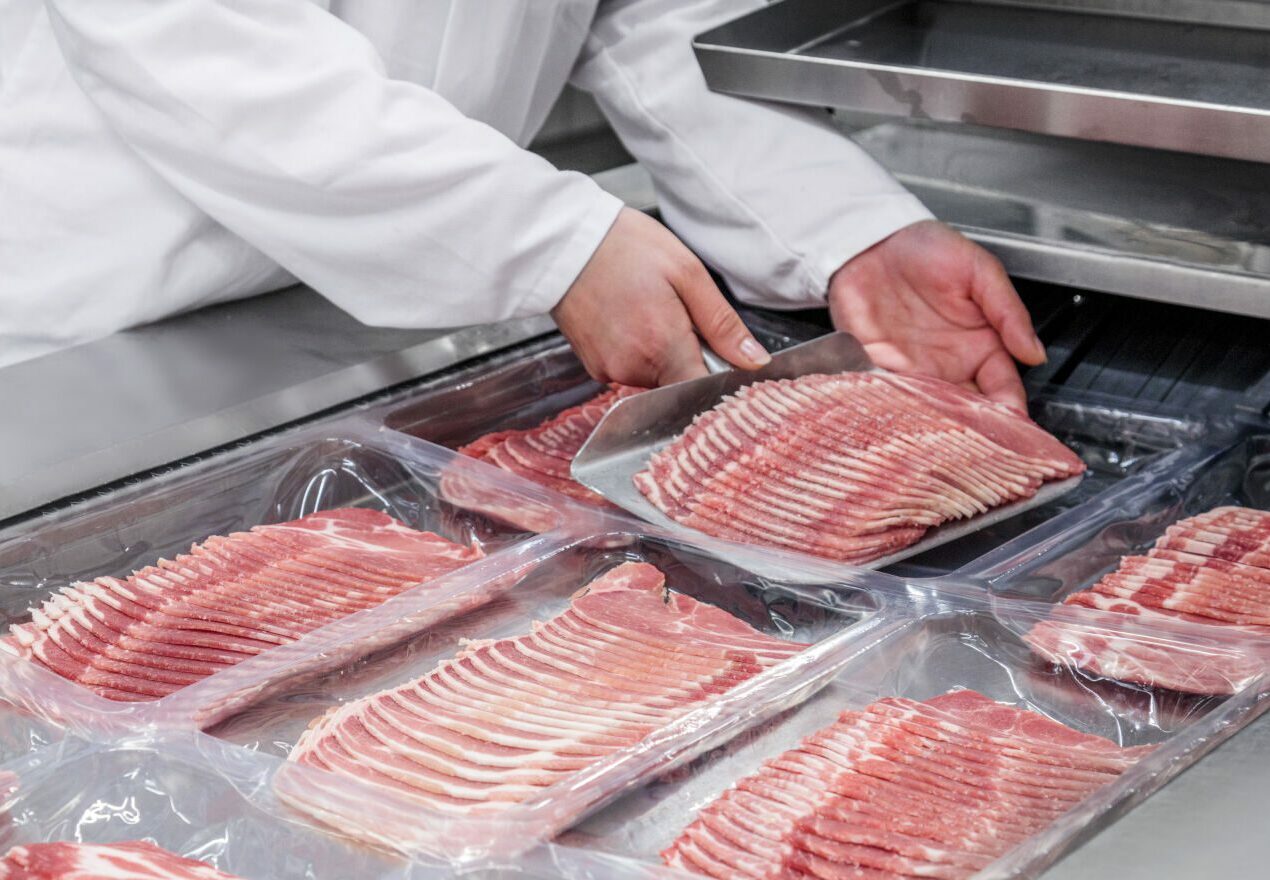
AI vision classification Meat products classified by AI vision
An AI vision model classifies every meat product on the line by type and appearance. Wrong or deviating products are flagged the moment they pass the camera, before they reach packaging every classification logged.
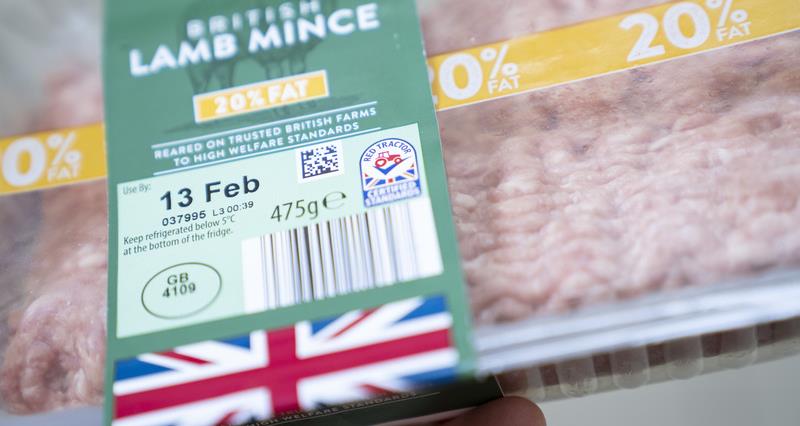 AI label inspection
 Every label and expiry date checked by AI vision
A vision system checks every package on the line: is this the right label for this order, and is the expiration date present, correct and legible? Mismatches are caught before products leave the line, every check logged per batch.
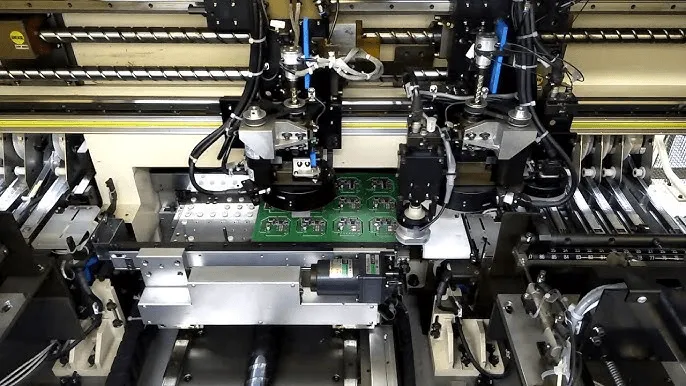 Track & trace
 Track and trace from product to box, pallet and order
Every product scanned and linked through the whole chain: product to box, box to pallet, pallet to order. Orders, batches and SKUs tracked live during production no product leaves the line without a verified place in the hierarchy.
Frequently asked questions about AI vision classification
What is AI vision classification?
AI vision classification is automatic product identification with a camera and a trained AI model. Every product that passes is photographed, the model names its class, such as product type, cut, grade or variant, and the verdict goes to your line control or ERP as a signal or record. Every decision is logged with the image.
What is the difference between classification and visual inspection?
Classification answers "which product is it?", inspection answers "is it good?". Both use a camera and a trained model, but the training data differs: classification needs examples of every class, inspection needs examples of defects or of good product only. One point can do both, for example naming the cut and flagging a crate that fits none of the cuts.
How accurate is automatic classification compared to an operator?
That depends on how different the classes look. Published work on retail beef cuts reached 98.6% on seven cuts, and pork primals from phone images 94.4%. More important than the headline number: the model applies the same boundary all shift, while human performance drops within the first half hour of repetitive visual work. That is why the point first runs alongside your operator, so you compare the two on your own products.
How many images are needed per class?
Fewer than most companies expect. With a pretrained model, dozens to a few hundred images per class from your own line are usually enough; the beef-cut study above used about 125 per class. The catch is the rare class: if one product passes twice a week, we collect it deliberately during the run-alongside phase instead of waiting.
What happens with a product the model has never seen?
It goes to a person. A classifier forced to choose will pick the nearest known class, so we set a confidence threshold: below it, the product is flagged as unknown, a beacon lights up and an operator decides, at the line or in a side lane. That answer is stored and becomes training data for the next version of the model.
Can it tell apart products that look almost the same?
Often, but not always. The camera can see more than the eye when lighting and resolution are chosen for the difference that matters, such as colour, texture or fat structure. When two classes are truly indistinguishable on the outside, no model will separate them and we say so in the intake, before anything is installed.
Does it keep up with our line speed?
Almost always. The model runs on an edge computer at the line and names a class in tens of milliseconds. The shot is triggered by a photocell or your line control, and strobed lighting freezes a moving product, so the line does not have to stop for the camera.
How does the verdict reach our PLC, ERP or MES?
As a signal or as a record, whichever your process needs. To a PLC or sorter the class goes as a digital or fieldbus signal; to ERP or MES it goes as a record with barcode, class, weight and timestamp, exactly as if an operator had entered it. Existing interfaces are reused where possible.
What if the product changes over time?
Then the model has to follow. A new supplier, a new season or a new variant shifts what a class looks like, and the first symptom is falling confidence on that class. MeshOS tracks that, so retraining happens before errors do, and the products that went to a person for a decision are the training data for it.
Does automatic classification replace our operators?
It replaces the typing, not the people. The operator stops entering what the camera already sees and only handles the products the model is unsure about. In a labour market where manufacturing labourers are among the hardest roles to fill, that is usually the point: the line stops depending on a job you cannot staff every shift.
How much does an AI classification point cost?
That depends on the application: line speed, the number of classes, the camera and lighting the difference requires and how the verdict has to reach your systems. That is why we start with an intake and one point, so the investment and the expected result are clear before you scale.
How quickly can a first classification point go live?
In many cases a first point is on the line within 6 to 8 weeks, including installation, collecting images, training the model and a period of running alongside your operator. Rare classes can stretch that: the model cannot learn a product it has not seen.
Find out which decision on your line a camera can take over
Every misclassified product costs more downstream than at the line: a re-booked pallet, a wrong delivery, a label that triggers a recall. Start with the one decision that goes wrong most often, and see for yourself how the model performs next to your operator.